

Reebok
The brand Reebok was founded by the Foster family more than 130 years ago. The name "Reebok" comes from the Afrikaans word "rhebok," which refers to an African antelope, symbolizing agility and speed. At Reebok, sport is expansive, it’s inclusive, and means something different to everyone. SPORT IS EVERYTHING.






Brand Story
The success story of Reebok can be traced back to the 1890s when their grandfather, Joseph William Foster, began making high-performance shoes for athletes at the "Olympic Works" factory in Bolton, England.
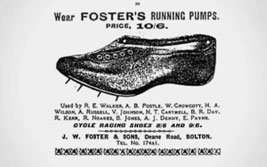


Foster was a pioneer in the development of spiked running shoes, a groundbreaking innovation of his time. In the early 20th century, Foster's shoes gained popularity among international athletes, such as Harold Abraham and Eric Liddell, the gold medalist at the 1924 Paris Olympics who wore "Foster's Pumps." Lord Burghley, who competed in the 1928 Amsterdam Olympics, also wore Foster's shoes. His story was later immortalized in the film "Chariots of Fire."


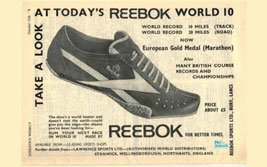
After founding the Reebok brand, the company continued to produce shoes worn by world-class athletes. Ron Hill, for instance, won the Boston Marathon and a Commonwealth Games gold medal in the 1970s while wearing Reebok's World 10 shoe. This shoe, co-designed by Hill, featured a lightweight, thin rubber sole and was a significant innovation in track running shoes.

Reebok’s major breakthrough in the U.S. market came in the 1980s with the rise of aerobics. The introduction of the Reebok Freestyle, a shoe specifically designed for women and aerobics, quickly gained popularity and helped establish Reebok as a global brand.
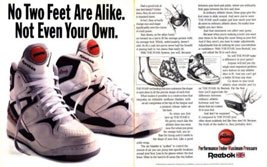
Today, Reebok has expanded its product line to include a wide range of shoes and apparel for running, training, basketball, and casual.